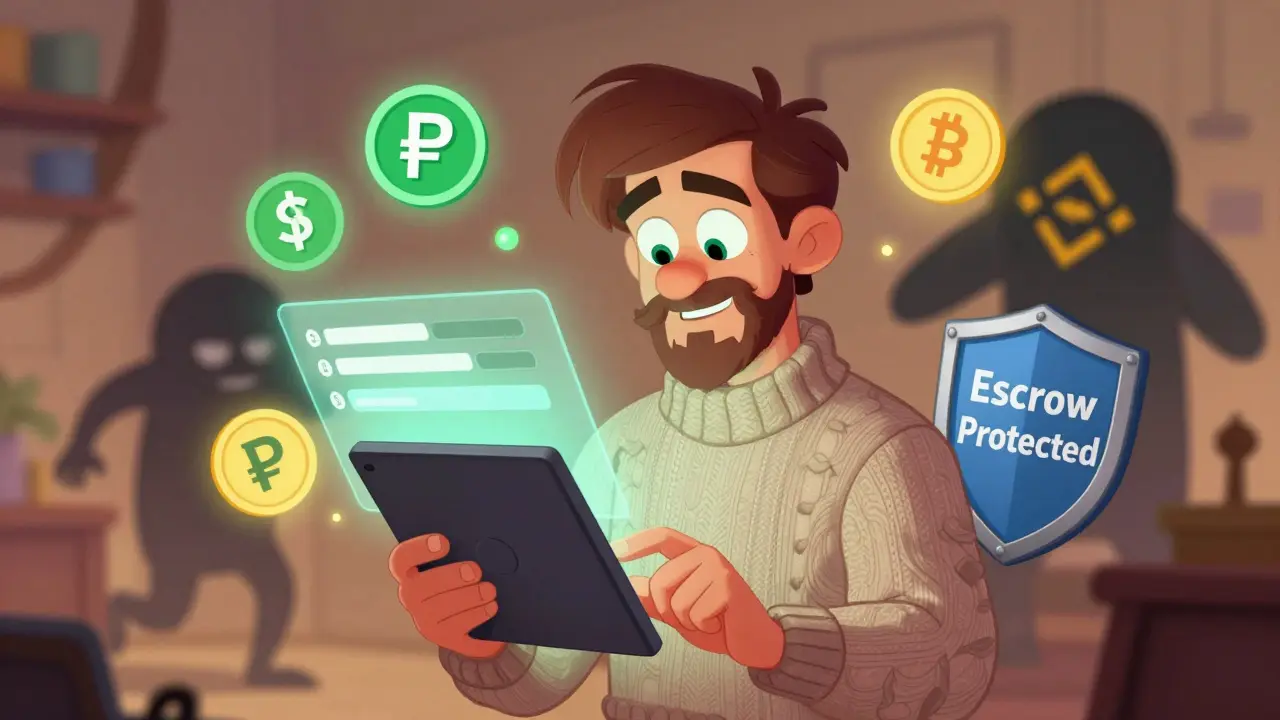
MEXC P2P: Qué es y cómo usarlo para comprar y vender criptomonedas sin intermediarios
When you use MEXC P2P, una plataforma de intercambio peer-to-peer que permite comprar y vender criptomonedas directamente con otros usuarios. Also known as intercambio P2P, it lets you trade Bitcoin, USDT, or other tokens using local payment methods like bank transfers, PayPal, or even cash deposits—no need to trust a centralized exchange with your funds. This is how many people in Latin America, Africa, and parts of Asia bypass strict banking rules or high fees from traditional platforms.
MEXC P2P is part of a bigger shift: people are tired of waiting days for withdrawals, paying 1% fees on every trade, or getting locked out of their accounts because of KYC rules. With MEXC P2P, you pick your own payment method, set your own price (within limits), and trade directly. But here’s the catch: intercambio P2P, un modelo de comercio que elimina intermediarios entre comprador y vendedor. Also known as peer-to-peer trading, it relies entirely on trust and platform safeguards. If the buyer doesn’t pay, MEXC holds the crypto until proof of payment appears. If you’re the seller and you don’t release the crypto after getting paid, MEXC can freeze your account. It’s not perfect—but it’s safer than sending money to a stranger on Telegram.
What you’ll find in the posts below aren’t ads or hype. They’re real stories about people who lost money because they didn’t check the buyer’s history, or who got scammed by fake payment screenshots. You’ll also see comparisons between MEXC P2P and other platforms like Binance P2P or Bybit P2P. Some posts explain how to spot fake traders, how to negotiate better rates, and why USDT is the most traded pair on MEXC P2P—not Bitcoin. There’s even one about how users in Argentina use MEXC P2P to convert pesos to crypto when banks block withdrawals. This isn’t theory. It’s what’s happening right now, in real time, with real people trying to survive the chaos of local currencies and financial control.